
Reviewed · TIRANA TOURS
Inside Tirana Walking Tour
Tirana’s story makes the most sense when you walk it in layers. This low-cost tour links the grand center, Albania’s communist past, and the once-forbidden Blloku district, so you see more than monuments and take in how the capital has changed.
I like the small price and the route’s range. I also like the chance to hear about street culture and murals, details that can get missed on a standard sightseeing circuit. The main consideration is pace: you spend only about 10 to 15 minutes at most stops, and the tour is outdoors, so poor weather or a minimum group requirement can affect plans.
Key points at a glance
- The route crosses three very different Tirana eras: national identity around Skanderbeg Square, communist memory at Postbllok, and modern city life in Blloku.
- The tour starts and ends at Et’hem Bey Mosque: that central meeting point makes it easy to fit into a day of sightseeing.
- You visit major sights without paying entrance fees: the listed stops are covered by the guide, with no admission charge noted.
- Guide Era has led an especially personal version of the walk: one guest received a private tour, with a relaxed pace and clear explanations.
- Street life is part of the appeal: the route includes murals and the café, bar, and boutique district of Blloku.
- The price is about $6.02 per person: that is strong value if you want orientation and background more than museum entry or a long guided visit inside buildings.
Why this two-hour walk gives you a useful first look at Tirana
I see this tour as an introduction rather than a deep examination of every sight. It gives you a compact route through central Tirana, then moves south toward Postbllok and Blloku, ending where the city’s political past meets its young social life.
The order works well. You begin near Et’hem Bey Mosque and Skanderbeg Square, where Tirana’s major public buildings gather. From there, the route moves into national culture and modern political memory before finishing in the district that was once closed to ordinary Albanians.
The advertised duration is about two hours. The five listed stops add up to roughly 70 minutes of planned time, leaving the rest for walking between places and the guide’s explanations. That matters because the tour is not simply five quick photo stops. The connections between them are the point.
The group can include up to 30 people. That is a reasonable maximum for a city walk, though the experience will feel less personal at the full size than it did when Era led a private walk for one person. If you want direct conversation throughout, ask about the group size when you book.
More Walking Tours in Tirana
- Walking Tour of Tirana
★ 5.0 · 646 reviews - Local food experience & walking tour of Tirana
★ 5.0 · 192 reviews - Berat Walking Tour
★ 5.0 · 86 reviews
Starting beside Et’hem Bey Mosque and the Palace of Culture
The meeting point is Et’hem Bey Mosque, at Sheshi Skënderbej 1. You return to the same place at the end, which keeps the logistics simple. Since the start is in the middle of Tirana, you can use the walk as a morning orientation or place it between other central sights.
The first listed stop is the National Theatre of Opera and Ballet of Albania, housed in the Palace of Culture since 1966. The building connects several strands of Albanian cultural development. The Albanian Philharmonic began in 1950 with a choir, symphony orchestra, opera singers, ballet troupe, and conductor. The growth of music and performance also led to the State Conservatory, Albania’s first vocational school for this field.
You have about 15 minutes here, with no admission fee listed. Do not expect a full performance or an extended interior visit. The value is the explanation of how Albania built formal musical institutions and trained generations of artists during the 20th century.
This stop also helps you read Tirana’s center as more than a collection of government buildings. The Palace of Culture houses the opera and ballet institution, and its presence near the main square gives the city a strong public arts focus. I would pay attention to the guide’s account of the institution rather than rushing for photographs.
Reading Skanderbeg Square through its buildings
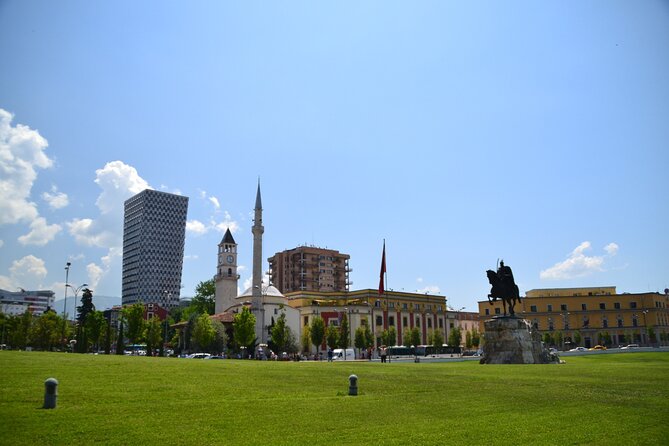
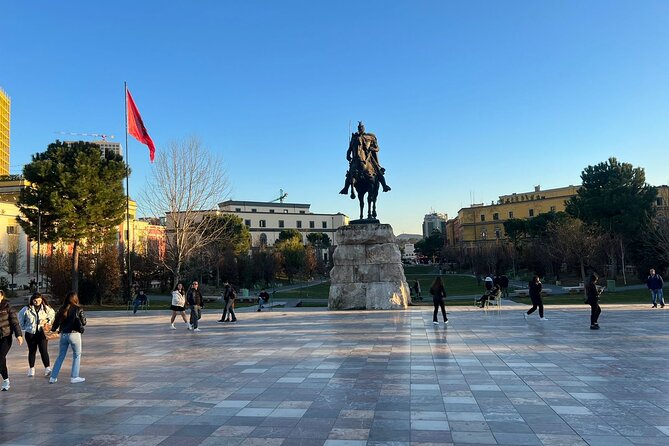
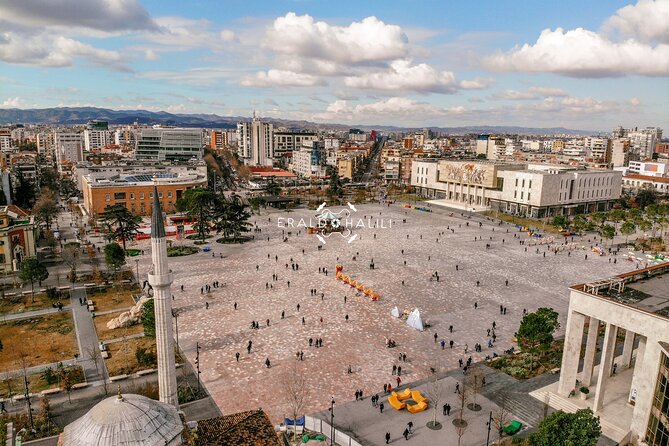
Skanderbeg Square is Tirana’s main plaza, covering about 40,000 square meters. The bronze monument to Gjergj Kastrioti Skënderbeu, Albania’s national hero, dominates the open space and gives the square its name.
The tour allows about 15 minutes here. That is enough for an overview, but not for a detailed architectural study of every building around the square. You will hear how the plan developed from Armando Brasini’s 1925 design, continued under Florestano Di Fausto, and then updated in 1939 by Gherardo Bosio after the Italian invasion.
That sequence is useful because Tirana’s center does not belong to one neat architectural period. Italian planning, Albanian national symbols, communist-era development, and newer urban life all share the same space. The square is a good place to ask how political power has shaped the capital’s appearance.
Several important sites surround it: the Tirana International Hotel, Palace of Culture, National Opera, National Library, National Bank, Ethem Bey Mosque, Clock Tower, City Hall, several ministries, and the National Historical Museum. You will not explore each one in depth on this walk, but the guide can help you understand their positions and purpose.
The square’s size can make it feel more formal than the side streets. I like having a guide here because a large open plaza can blur into a quick stop unless someone explains the urban plan and the people represented by the monument.
The National History Museum and its powerful entrance
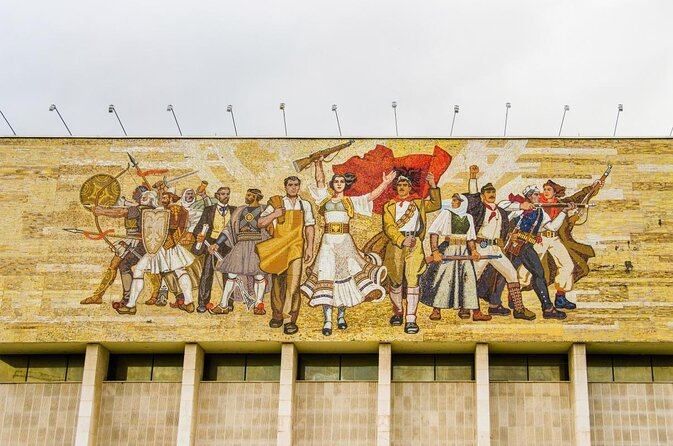
The National History Museum opened on October 28, 1981. Its large entrance mural, The Albanians, presents figures from ancient times through the modern period. Even if you spend only 15 minutes outside, the mural gives you an immediate sense of how Albania presents its national story.
The museum covers 27,000 square meters, with 18,000 square meters used for exhibitions. Its sections include Antiquity, the Middle Ages, the Renaissance, Independence, Iconography, the National Liberation Antifascist War, Communist Terror, and Mother Teresa.
The tour does not list an admission visit, so you should treat this as an exterior stop and orientation. If the museum matters to you, reserve separate time to go inside. A short explanation here can help you decide if the collection deserves a longer visit later.
I find the range of sections especially useful for first-time visitors. Albania’s past is often reduced to ancient ruins or the communist period, but this museum presents a much wider national timeline. At the same time, the large mural reflects an official version of history, so you may want to compare it with the separate memorial at Postbllok.
Same drive out, a completely different day:
- Hike Gamti Mountain with Bovilla lake view & canyon- From Tirana
★ 5.0 · 1,280 reviews - Berat city UNESCO tour, the Castle & Belshi lake- From Tirana
★ 5.0 · 804 reviews - Kruja castle, the old Bazaar & Sarisalltik- Departure from Tirana
★ 5.0 · 592 reviews - Albanian Night Show: Traditional Music, Dance & Dinner in Tirana
★ 5.0 · 431 reviews
Postbllok: a brief stop with serious weight
Postbllok, also called the Checkpoint Monument, is the most emotionally direct part of the route. You spend about 10 minutes here, looking at objects linked to the dictatorship of Enver Hoxha and the system of surveillance and persecution that marked communist Albania.
The installation includes original concrete pillars from a notorious labor camp, an old bunker, and part of the Berlin Wall. Each object works as a symbol of restriction and resistance. The site remembers people who suffered under the regime and points toward Albania’s later move toward freedom and democracy.
Ten minutes is not long. I would not treat this as a casual photo stop. Listen closely to the guide’s explanation, then take a moment to look at the materials and their arrangement. The bunker and concrete pillars make the past feel physical in a way that a general timeline cannot.
This is also where the tour gains balance. Skanderbeg Square and the National History Museum present public ideas about the nation. Postbllok brings you closer to the cost of political control. The short walk between these places helps show how quickly Tirana can move from ceremony to painful memory.
Blloku, from restricted quarter to social center
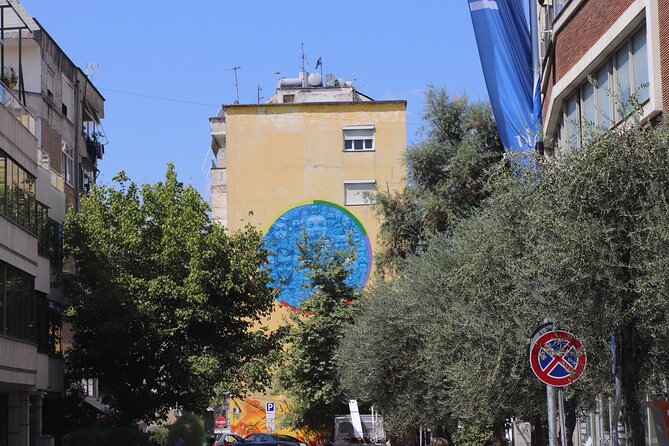
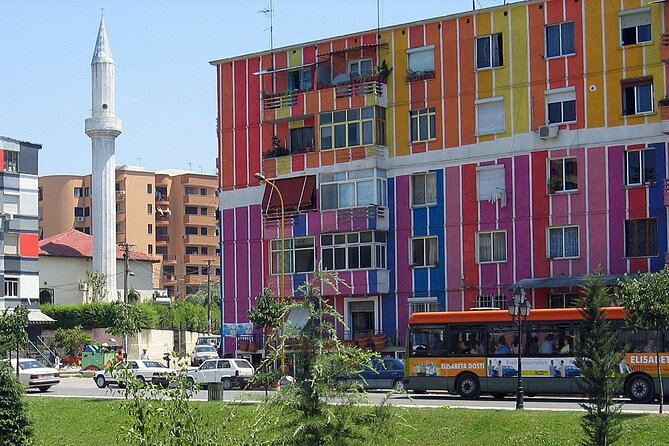
The final stop is Blloku, also known as Ish-Blloku, a district in southwestern Tirana. Today, you find boutiques, restaurants, bars, pubs, cafés, and newer apartment buildings. It is widely regarded as an upmarket entertainment area and a place associated with younger Albanian social life.
Its earlier role gives the neighborhood far more meaning than its cafés alone. During communism, Blloku was a restricted residential area for members of the Albanian politburo. Ordinary Albanians could not enter, and the district was left off many maps. The former residence of Enver Hoxha can still be found here.
The tour gives you about 15 minutes in the area. That is enough to understand the contrast, but not enough to sample the district’s food and nightlife. I would use the guide’s stop as a preview, then return later if you want to eat or sit at a café.
Blloku also shows how quickly Tirana has changed since the fall of communism. New flats and apartments have spread through the neighborhood, while its bars and cafés have made it a social center. In the busiest summer months, some of its trendy bars even move their activity to the Albanian Riviera.
I like ending here because the district gives the route a living finish. You move from institutions and monuments into a part of town shaped by current habits. It is not a polished historical quarter frozen in time. Its appeal comes from the visible tension between old political privilege and new commercial energy.
What the guide adds to a route you could walk alone
You can find the major sites without a guide, but the route’s value lies in the links between them. A map will show you Skanderbeg Square, Postbllok, and Blloku. It will not automatically explain why a former restricted quarter now fills with cafés, or how a labor camp’s concrete pillars fit into the capital’s memory.
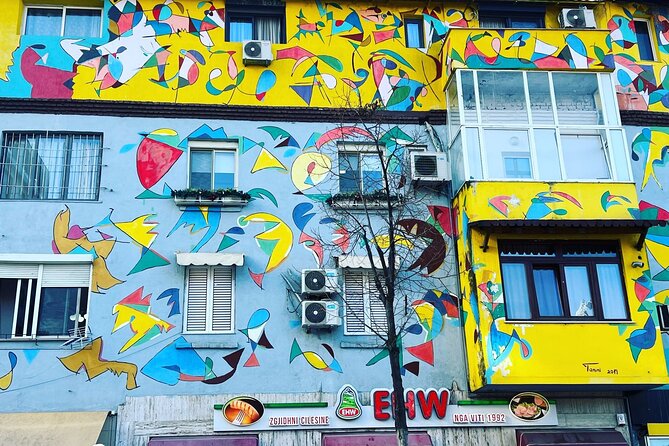
Era led one particularly personal version of the walk, with a friendly manner, clear explanations, and a relaxed pace. The route also included street culture and murals, making it different from another earlier walking tour taken by the same person. That detail is important: this experience may offer more than the formal monuments listed in the schedule.
Because the guide is included, you are paying mainly for context and company rather than transport or attraction entry. I would ask questions about Albania’s communist period, the design of the central square, and the changes in Blloku. Those topics connect the stops better than a list of dates.
The route is offered in English. Service animals are allowed, and the activity is near public transportation. Most people can participate, but you should remember that this is a walking tour with several outdoor stops. The tour requires good weather, and poor conditions can lead to a different date or a refund.
Is $6.02 a fair price?
At about $6.02 per person, this is unusually inexpensive for a guided two-hour city walk. The price becomes especially useful if you want a quick introduction before exploring Tirana on your own.
You are not paying for museum admission, meals, transport, or special access. Those are not included, and no entrance fees are listed for the five stops. That keeps the cost low, but it also means you should budget separately if you want to enter the National History Museum or attend a performance at the opera and ballet theater.
I would judge the value by your goals. If you want a personal guide inside every building, this will feel limited. If you want an affordable route that explains Tirana’s main square, cultural institutions, communist memory, and modern social center, the price is hard to criticize.
The tour has a 4.5 rating from 10 reviews, with 90 percent recommending it. That is a small sample, so I would not treat the number as a guarantee. Still, the strongest praise centers on the guide’s clear explanations, good pace, and personal feel, which are exactly the qualities that matter most on a short walking tour.
Practical details before you book
The mobile ticket is convenient, and confirmation arrives within 48 hours, subject to availability. The walk begins and ends at Et’hem Bey Mosque, so you do not need to arrange a separate return transfer.
The maximum group size is 30. Ask about the expected number if you prefer a quieter walk or want more time for questions. A smaller group can make stops such as Postbllok feel more thoughtful, while a larger group may make it harder to hear every explanation.
Free cancellation is available if you cancel at least 24 hours before the start time. Cancellations made less than 24 hours ahead are not refunded, and changes inside that period are not accepted. The cut-off uses local time.
The tour may also be canceled if the minimum number of participants is not reached. In that case, you can choose another date or experience, or receive a full refund. Tips are not included, so carry a little extra if you feel the guide earned it.
Who will get the most from this Tirana walk?
I would recommend it to a first-time visitor who wants a quick sense of the city before choosing where to spend more time. The route gives you national symbols, public architecture, communist memory, and present-day city life in one compact outing.
It also suits anyone interested in 20th-century Albania. Postbllok and Blloku provide two very different ways to think about the communist period, one through repression and one through restricted privilege.
The tour is less suitable if you want long museum visits, a performance, or a slow architectural walk. The stops are short, and the activity is designed to connect places rather than explore one site in detail.
Should you book the Inside Tirana Walking Tour?
I would book it if you want an inexpensive, English-language orientation with a route that goes beyond the usual central square. The combination of Skanderbeg Square, Postbllok, and Blloku gives you a clearer picture of Tirana than a monument-only walk.
Book with realistic expectations. You get a guide, a two-hour route, and useful context, but not admission to the National History Museum or a private historical consultation. If Era leads your walk, you may get the personal pace and attention that made one outing especially effective, but group size can vary.
For about $6.02, this is a sensible first-day choice. Use it to learn the city’s basic story, note places you want to revisit, and then return to the museum or Blloku at your own pace.
FAQ
Where does the Inside Tirana Walking Tour start?
The tour starts at Et’hem Bey Mosque, Sheshi Skënderbej 1, Tirana 1001, Albania.
Where does the tour finish?
The activity ends back at the meeting point beside Et’hem Bey Mosque.
How long does the walking tour last?
The tour lasts approximately two hours.
What language is the tour offered in?
The tour is offered in English.
How much does the tour cost?
The listed price is $6.02 per person.
What is included in the price?
A tour guide is included.
Are entrance tickets included?
The listed stops show free admission, but the tour does not include anything beyond what is mentioned in the included section. A separate museum or performance visit is not included.
How large can the group be?
The activity can include a maximum of 30 participants.
Is the tour accessible to most people?
The tour information says most people can participate. It is a walking activity with outdoor stops, and service animals are allowed.
Can I cancel for a full refund?
Yes. You can cancel at least 24 hours before the start time for a full refund. Cancellations or changes made less than 24 hours before the start are not accepted for a refund.
Just added around Tirana
- UNESCO heritage in Albania – 4 days★ 5.0 · 3 reviews
- Apollonia and Berat UNESCO tour from Tirana★ 5.0 · 3 reviews
- Private Transfers from Tirana International Airport to Sarandë★ 4.5 · 3 reviews
- Transfers Tirana Airport – Sarande – Ksamil – Airport Tirana★ 4.5 · 3 reviews
- Berat 4×4 Off-Road and Vineyard Wine Tasting★ 5.0 · 3 reviews
- Cultural Tour in Tirana including House of Leaves★ 5.0 · 3 reviews
- N. Macedonia &Kosovo; Semi – Private Tour; Tour Leader & Car★ 4.8 · 3 reviews
- SOTIRA WATERFALL HIKING/TREKKING from Berat by 1001 Albanian Adventures★ 5.0 · 3 reviews
Tirana Tours, compared.
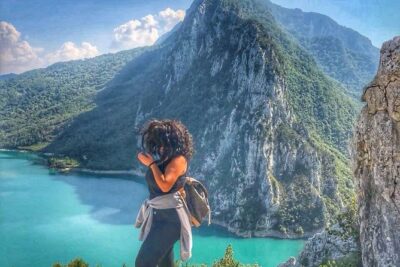
Hike Gamti Mountain with Bovilla lake view & canyon- From Tirana
Read our review →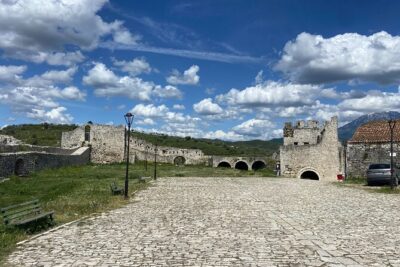
Berat city UNESCO tour, the Castle & Belshi lake- From Tirana
Read our review →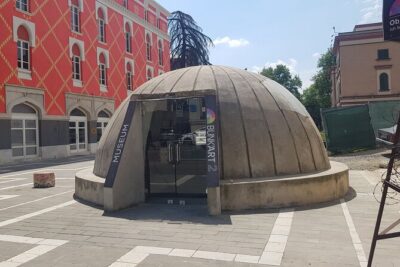
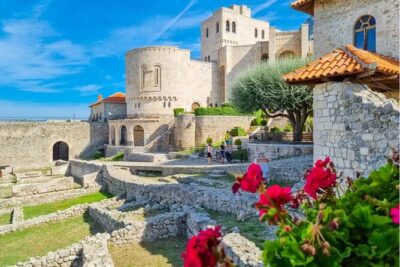
Kruja castle, the old Bazaar & Sarisalltik- Departure from Tirana
Read our review →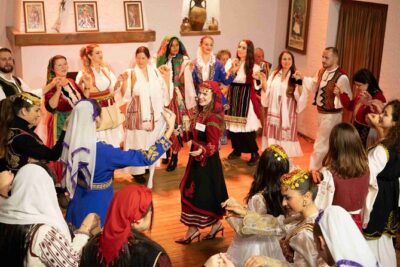
Albanian Night Show: Traditional Music, Dance & Dinner in Tirana
Read our review →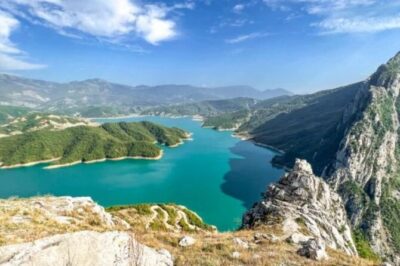
From Tirana- Hiking Tour to Bovilla Lake & Gamti Mountain
Read our review →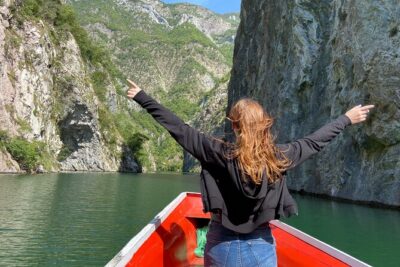
Shala river & Komani lake -Day trip departure from Tirana/Shkodra
Read our review →
Cooking Classes and Traditional food tasting in Tirana
Read our review →Browse the lists this tour appears in