
Reviewed · TIRANA TOURS
Traditional Albanian and Mediterranean Dinner
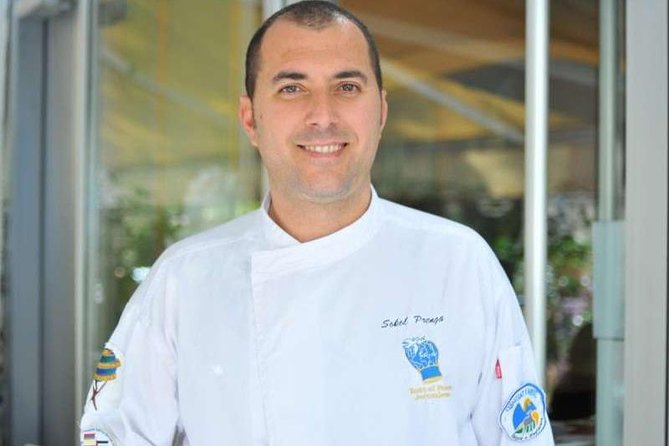
Tirana’s Taste Table dinner is built around a simple idea: learn Albania through a long meal. Chef Sokol Prenga, who has more than 25 years of kitchen experience, leads you through breads, pies, lamb, veal, dessert, and drinks while explaining how outside cultures shaped local cooking.
I like the wide sweep of the menu, which moves from humble corn and wheat breads to yogurt baked with lamb and veal ribs served with plum syrup. I also like the personal touch: Sokol explains the food, welcomes questions, and brings humor and stories to the table. The main drawback is the sheer amount of food and the long evening, which may feel heavy if you prefer a quick dinner or have a restricted diet.
Key points at a glance
- Chef-led food lesson: Sokol Prenga explains the dishes and the traditions behind them.
- A full Albanian menu: Expect breads, byrek, several main courses, drinks, and a traditional flan.
- Regional variety: The meal includes specialties linked to Përmet and other parts of Albania.
- Local ingredients: The menu uses local, organic products, with attention to traditional farm produce.
- Small maximum group: The experience accepts no more than 22 people.
- Easy evening timing: It begins at Delikatesë Pastiçeri on Rruga Myslym Shyri at 7:30 PM from Monday through Friday.
A four-hour introduction to Albania through food
This is more than a restaurant reservation, but it is not presented as a standard hands-on cooking class. The heart of the experience is a guided dinner, with Sokol taking you step by step through the main elements of Albanian cuisine.
That format works well if you want context with your meal. Instead of meeting a plate without explanation, you learn why Albania has so many dishes shaped by contact with Ancient Greece, Rome, Byzantium, and the Ottoman Empire. Trade and contact brought new methods and ingredients, while local agriculture kept the food grounded in bread, dairy, meat, vegetables, fruit, and herbs.
I especially like the way the menu moves from basic staples to more elaborate dishes. You begin with bread and pastry, then progress to baked casseroles and meat dishes, and finish with a milk-based dessert. It gives the dinner a clear rhythm and lets you see how Albanian cooking can be both rustic and refined.
The setting is the Center for Culinary Education’s Taste Table concept. You meet at Delikatesë Pastiçeri, at Rruga Myslym Shyri 97 in Tirana, and return to the same meeting point at the end. Since the activity lasts about four and a half hours, plan it as your main evening event rather than something to fit between other plans.
A few more Tirana half-days to weigh up
- Albanian Night Show: Traditional Music, Dance & Dinner in Tirana
★ 5.0 · 431 reviews - Cooking Class & Traditional Albanian Dinner
★ 5.0 · 15 reviews - Shen Gjergji Waterfall & Tirana Sunset Included Dinner
★ 5.0 · 9 reviews
Starting with Albanian breads and everyday staples
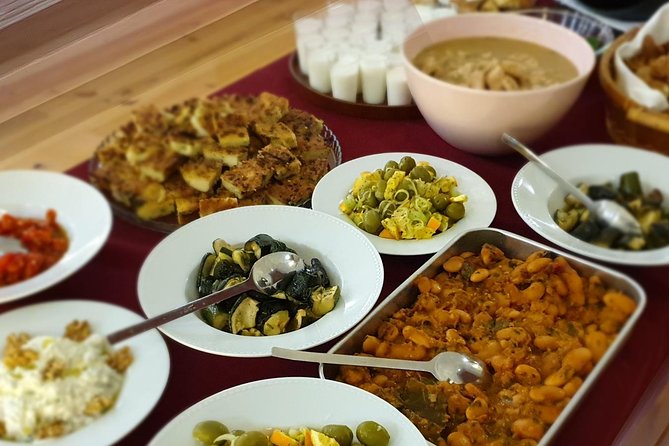
The first course focuses on traditional breads made with organic corn and wheat flour. The listed selection includes bukë kallamoqe, bukë misri, kulaç, pogaçe, and kamkuçe.
For you, this is a useful place to begin because bread tells you a lot about a food culture. These are not merely fillers before the main course. Corn and wheat reflect the importance of traditional agriculture, and the different bread names point to local styles and preparation methods.
The menu gives you a chance to compare texture and flavor across several types. Some may be plain and sturdy, while others may be softer or more enriched, though the exact preparation can vary. Sokol’s explanations are important here because the names alone will not tell you how each bread fits into Albanian cooking.
I like that the dinner starts with food that feels close to the daily table. It keeps the experience from becoming a parade of fancy restaurant dishes with little connection to home cooking. The tradeoff is that a bread-heavy opening can fill you quickly, especially with several more courses ahead.
Go easy at the beginning. You will have plenty of time to taste rather than treat every opening course as a full serving.
Byrek and pite bring regional variety to the table
Next comes the world of pite and byrek, made with thinly stretched filo dough. The fillings listed include spinach, minced meat, leek, and feta cheese. Other versions can include pumpkin, apple, and potato.
This is one of the most familiar names in Balkan cooking, but the value here is in seeing the range of fillings and hearing how the dish fits into Albanian tradition. A spinach and feta pie gives you a savory, herbal bite. Minced meat makes it more substantial, while leek brings a gentler onion flavor. Pumpkin, apple, and potato show how flexible the same pastry format can be.
The thin dough is part of the point. Properly handled filo gives the pie a crisp outer layer and a lighter feel than a thick pastry. I would pay attention to the contrast between the pastry and filling, since that is where much of the pleasure lies.
This course also shows how a dish can move between everyday cooking and special occasions. Pies are practical, adaptable, and well suited to sharing. They are also a good reminder that Albanian cooking is not only about grilled meat.
If you have dietary limits, this is the first part of the meal where you may need to ask questions. The fillings include meat, dairy, wheat, vegetables, and fruit, so do not assume that every variety suits you. The activity is offered in English, and questions about the food are encouraged.
Tavë kosi offers Albania’s best-known baked comfort food
One of the main courses is tavë kosi, a baked casserole made with yogurt and lamb. It is one of the dishes that gives the dinner its strongest sense of place.
The combination may sound unusual if you have not eaten it before. Yogurt creates a creamy, tangy topping or sauce, while lamb brings a deeper savory flavor. Baking ties the two together into a comforting casserole rather than a sharply spiced stew.
This is a good example of why an explanation from the chef matters. Without context, you might see only lamb under a yogurt mixture. With Sokol’s account of Albanian cooking, you can better understand how dairy, meat, and baking techniques come together in a local dish.
I like tavë kosi as a centerpiece because it feels distinctly Albanian without being difficult to approach. It is hearty, but the yogurt gives it a fresh edge. Still, if you do not eat lamb or dislike creamy baked dishes, this may not be your favorite course.
Same drive out, a completely different day:
- Hike Gamti Mountain with Bovilla lake view & canyon- From Tirana
★ 5.0 · 1,280 reviews - Berat city UNESCO tour, the Castle & Belshi lake- From Tirana
★ 5.0 · 804 reviews - Walking Tour of Tirana
★ 5.0 · 646 reviews - Kruja castle, the old Bazaar & Sarisalltik- Departure from Tirana
★ 5.0 · 592 reviews
Veal ribs with plum syrup shift the meal toward sweet and savory
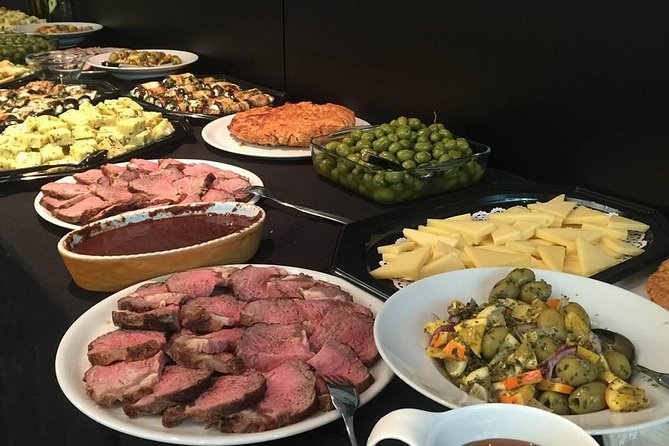
The second main dish is mish me pistil, veal ribs served with plum syrup. This course adds a different flavor direction after the yogurt and lamb casserole.
Plum syrup brings sweetness and acidity to the meat. That contrast can make a rich cut such as ribs feel more lively. It also shows how fruit can play a serious role in savory cooking, rather than appearing only as a dessert ingredient.
The menu is strongest when you notice these changes from course to course. Bread gives you grain and texture. Byrek adds pastry and varied fillings. Tavë kosi brings baked dairy and lamb. The veal ribs introduce fruit, sweetness, and a more pronounced meat course.
The practical issue is portion size. By the time the ribs arrive, you have already had several starters and a substantial casserole. Taste carefully and pace yourself. This is an evening to sample the full progression, not to rush through each plate.
Përmet’s lamb stew adds a regional story
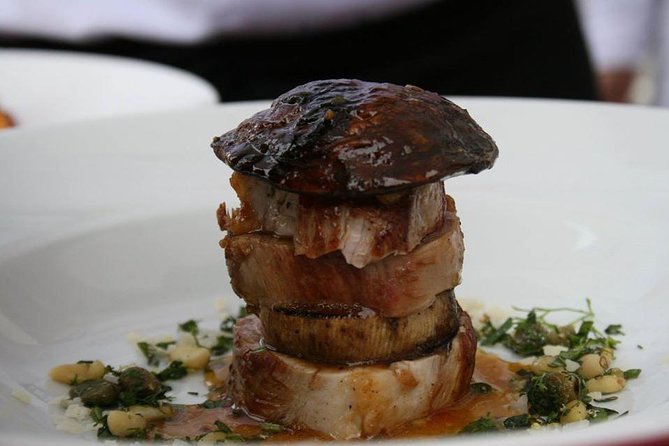
The final listed main dish is shqeto e Përmetit, an egg-based lamb stew from the Përmet region. It includes lemon, pepper, and parsley.
This dish gives the dinner a clear regional link. Përmet is not just a name attached to the menu. It signals that Albanian food changes from one area to another, with local ingredients and methods shaping the final dish.
The egg-based preparation sets it apart from the yogurt casserole and the plum-syrup ribs. Lemon adds brightness, parsley adds a fresh herbal note, and pepper gives the stew some heat or spice. Again, the progression matters. You are tasting different ways of preparing lamb rather than repeating the same flavor profile.
I appreciate the inclusion of a regional dish because it keeps the dinner from presenting Albania as one uniform cuisine. Ask Sokol to explain the connection to Përmet and how the dish differs from other lamb preparations. The format is designed for that kind of conversation.
If you are sensitive to rich food, this is another point to consider. The dinner includes multiple meat-based main courses, and the meal lasts for hours. It suits people who enjoy a generous tasting menu more than those looking for a light supper.
Qumeshtor closes the meal with a rustic Albanian flan
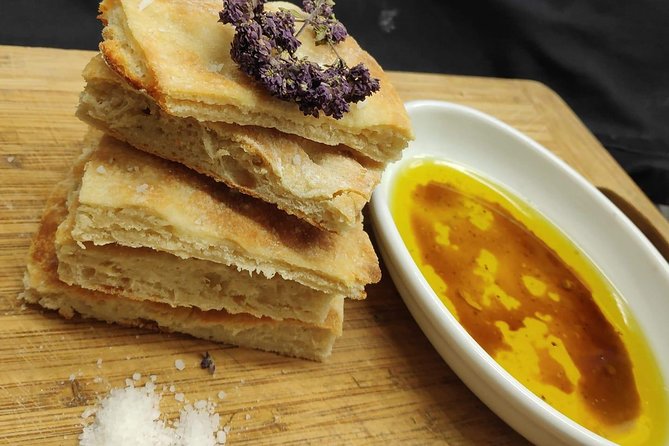
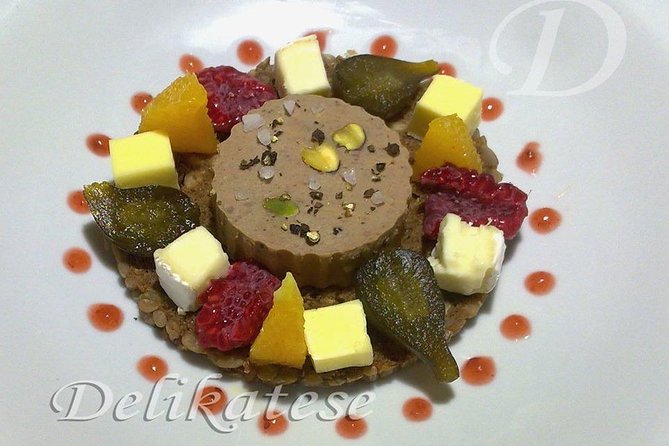
Dessert is qumeshtor, described as a rustic Albanian flan. After bread, filo, lamb, veal, and several sauces, a milk-based dessert provides a gentle finish.
A flan is a fitting ending for this menu. Its simple structure reflects the dinner’s focus on traditional ingredients rather than elaborate decoration. It also gives you a final chance to compare Albanian cooking with familiar European desserts while still tasting a local version.
Do not expect dessert to turn the evening into a separate pastry tasting. The appeal is its place in the full meal. Qumeshtor rounds off the progression with something soft and mild after the stronger savory flavors.
Drinks and good spirits are included along with the food. The information does not list exact drink choices, so you should ask about them if you have preferences or restrictions.
Sokol Prenga is central to the experience
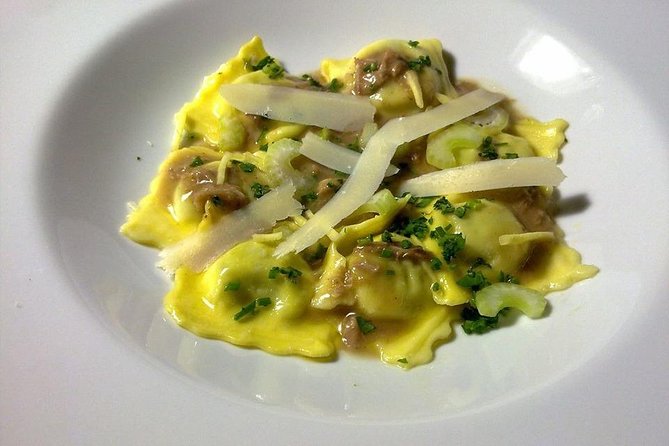
The chef is not a background figure who simply sends plates from the kitchen. Sokol Prenga is presented as the person who guides the meal, explains the dishes, shares cooking knowledge, and answers questions.
That personal approach is one of the strongest reasons to choose this experience instead of ordering Albanian dishes on your own. A restaurant menu can tell you what is in a dish. Sokol can also explain its place in local food traditions and the outside influences that helped shape it.
A warm atmosphere is part of the concept. The experience is meant to feel welcoming and social, with humor and conversation around the food. That suits solo visitors, couples, and small groups who enjoy meeting around a shared table.
The maximum group size is 22 people. That is not an intimate private dinner, but it is still limited enough to preserve a guided group format. The larger the actual group on your date, the less time you may have for individual questions, so keep that in mind if personal attention matters most to you.
The activity is offered in English. Since explanations are a major part of the evening, that language option is useful for visitors who want more than a silent meal.
Is $60.21 a fair price for this dinner?
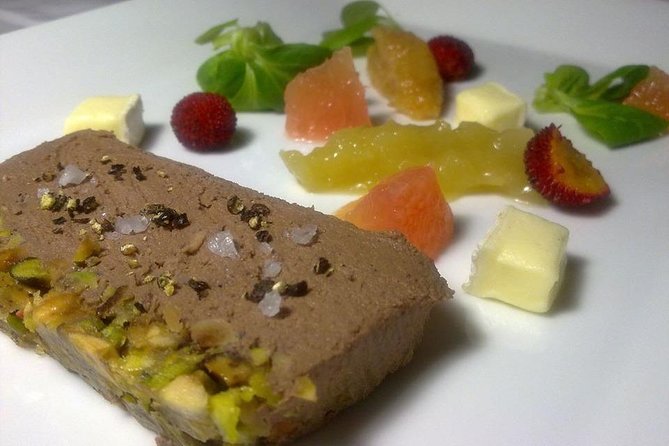
At $60.21 per person, this experience costs more than a normal single dinner in Tirana. The fair comparison is not a basic restaurant meal. You are paying for a four-and-a-half-hour food program that includes a multi-course dinner, drinks, explanations from an experienced chef, and a broad sample of Albanian dishes.
The menu covers several types of bread, pies with different fillings, three substantial meat-based preparations, dessert, and drinks. If you tried to order all of those dishes separately, you would face two problems: the cost could rise quickly, and you would not necessarily receive the background that ties the meal together.
I see the best value for you if this is your first visit to Albania and you want a structured introduction to local food. It can also be worthwhile near the start of a Tirana stay, since the information may help you recognize dishes elsewhere in the country.
The value is weaker if you mainly want a quick, inexpensive meal. Four and a half hours is a serious time commitment, and the menu is centered on lamb, veal, dairy, wheat, and pastry. People who avoid meat or rich foods may not get full value from the listed courses.
Timing, meeting point, and group details
The meeting point is Delikatesë Pastiçeri at Rruga Myslym Shyri 97 in Tirana. The activity returns there at the end, so you do not need to arrange a separate pickup point.
The scheduled start is 7:30 PM, Monday through Friday. The published opening information lists Monday through Friday from 7:30 PM to 10:00 PM, while the experience itself is described as lasting approximately four hours and 30 minutes. Because those details do not match neatly, check the confirmed timing for your date before planning a late-night activity afterward.
The location is near public transportation. Confirmation is received at booking, and the maximum group size is 22 people. Most people can participate, but the supplied information does not give a detailed accessibility statement, so contact the provider if you need specific arrangements.
You can cancel for a full refund if you do so at least 24 hours before the start time. Changes or cancellations made inside that window are not refunded, and the provider may offer another date or a full refund if the minimum number of people is not reached.
Who will enjoy this Albanian dinner most?
I would recommend it to you if you enjoy food with a story and prefer a long social meal to a fast restaurant stop. It is especially useful for first-time visitors who want an overview of Albanian cooking before exploring the country on their own.
It also suits anyone curious about the links between Albanian food and Greek, Roman, Byzantine, and Ottoman influences. The menu does not treat those connections as a history lecture. It uses actual dishes to show how cooking changes through contact, trade, and local adaptation.
Families and mixed groups may also find the format useful because the meal offers many different textures and flavors. Still, the duration and heavy menu may be tiring for young children or anyone who does not enjoy extended dinners.
I would be more cautious about booking if you need vegetarian, vegan, gluten-free, dairy-free, or meat-free food. The listed menu contains wheat breads, filo pastry, feta, yogurt, lamb, veal, eggs, and milk. The experience encourages questions, but no alternative menu is specified, so ask before paying.
Should you book the Taste Table dinner?
Book it if you want a guided introduction to Albanian cuisine, not just another evening meal. Chef Sokol Prenga’s role, the generous range of dishes, the regional lamb stew, and the inclusion of breads and pies give the evening real substance.
Skip it if you want a short dinner, a light menu, or a clearly stated diet-specific option. For everyone else, $60.21 is a reasonable price for a long, chef-led meal that combines food, explanation, and cultural context in one Tirana evening.
FAQ
Where does the Traditional Albanian and Mediterranean Dinner begin?
It begins at Delikatesë Pastiçeri, Rruga Myslym Shyri 97, Tirana, Albania.
Where does the experience end?
The activity ends back at the meeting point.
How long does the dinner last?
The experience lasts approximately four hours and 30 minutes.
What time and days is it offered?
It is offered Monday through Friday, with a scheduled start time of 7:30 PM.
Is the dinner offered in English?
Yes. The experience is offered in English.
Who leads the dinner?
Chef Sokol Prenga leads the experience. He has more than 25 years of experience as a chef and explains the dishes and their cultural background.
What food is included?
The listed menu includes traditional breads, pite or byrek, tavë kosi, veal ribs with plum syrup, a lamb stew from Përmet, Albanian flan, drinks, and spirits.
How far in advance can I cancel for a full refund?
You must cancel at least 24 hours before the experience start time for a full refund. Cancellations made less than 24 hours before the start are not refunded.
Just added around Tirana
- UNESCO heritage in Albania – 4 days★ 5.0 · 3 reviews
- Apollonia and Berat UNESCO tour from Tirana★ 5.0 · 3 reviews
- Private Transfers from Tirana International Airport to Sarandë★ 4.5 · 3 reviews
- Transfers Tirana Airport – Sarande – Ksamil – Airport Tirana★ 4.5 · 3 reviews
- Berat 4×4 Off-Road and Vineyard Wine Tasting★ 5.0 · 3 reviews
- Cultural Tour in Tirana including House of Leaves★ 5.0 · 3 reviews
- N. Macedonia &Kosovo; Semi – Private Tour; Tour Leader & Car★ 4.8 · 3 reviews
- Tirana to Ksamil and Saranda Bus★ 4.5 · 3 reviews
Tirana Tours, compared.

Hike Gamti Mountain with Bovilla lake view & canyon- From Tirana
Read our review →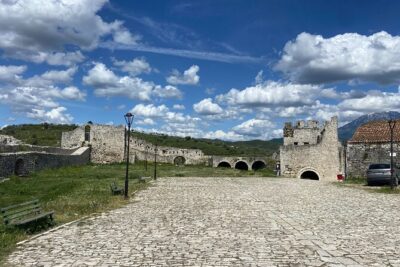
Berat city UNESCO tour, the Castle & Belshi lake- From Tirana
Read our review →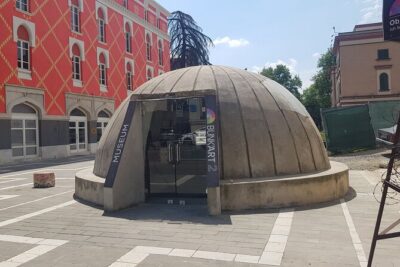
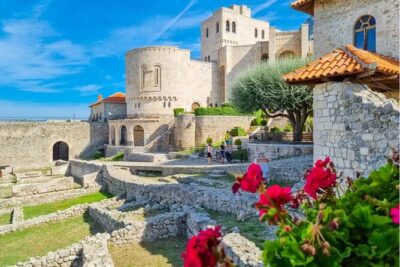
Kruja castle, the old Bazaar & Sarisalltik- Departure from Tirana
Read our review →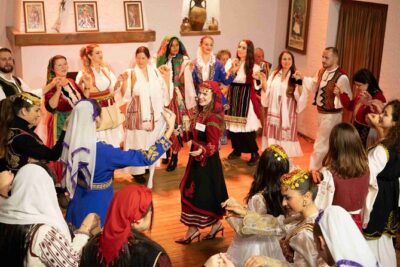
Albanian Night Show: Traditional Music, Dance & Dinner in Tirana
Read our review →
From Tirana- Hiking Tour to Bovilla Lake & Gamti Mountain
Read our review →
Shala river & Komani lake -Day trip departure from Tirana/Shkodra
Read our review →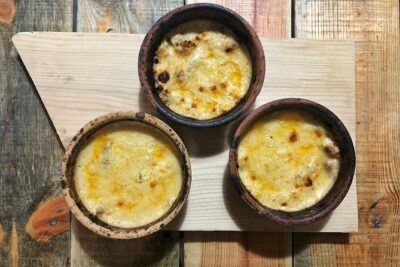
Cooking Classes and Traditional food tasting in Tirana
Read our review →Browse the lists this tour appears in