
Reviewed · GJIROKASTËR TOURS
Cooking Class
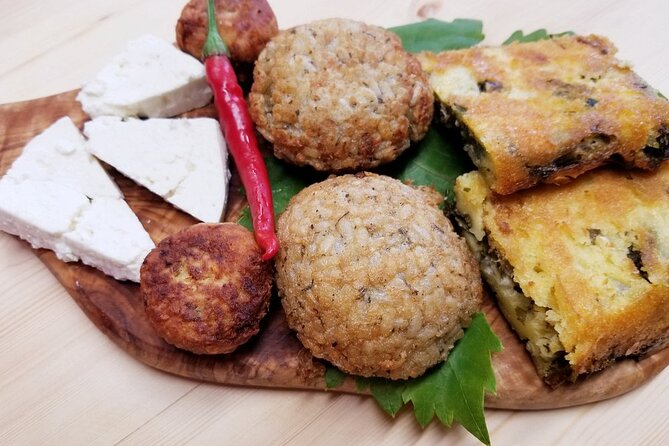
Gjirokaster’s best food lesson is hands-on: you make the dishes, then sit down and eat them. This private class focuses on old local recipes such as qifqi rice balls, OSA pasta with lamb, and hasude, a sweet made with starch, butter, and walnuts.
I like the personal setting and the family tradition behind the recipes. I also like that the class includes local spices, mountain teas, folklore, and a meal prepared by your own hands. The main drawback is organization: the meeting address can be wrong, the host may not have your booking details, and the class may last closer to an hour than two.
Key points to know
- Cook three Gjirokaster dishes: The planned menu includes qifqi, OSA pasta with lamb, and hasude dessert.
- Private instruction: Only your group takes part, so you can ask questions and work at your own pace.
- Meet in the medieval bazaar: The activity begins at Edua restaurant on Rruga Gjin Shpata, with the storefront easy to spot once you are in the bazaar.
- English support is available: The chef may not speak English, but a family member can translate.
- Eat what you prepare: The cooking ends with a sit-down meal, plus traditional appetizers and drinks.
- Allow extra time for coordination: Contact the host before arrival, especially if your schedule is tight.
Cooking Old Gjirokaster Recipes at Edua
You meet at Edua restaurant in the heart of Gjirokaster’s medieval bazaar. The listed starting address is Rruga Gjin Shpata, Gjirokastër, Albania, and the activity finishes at the same place.
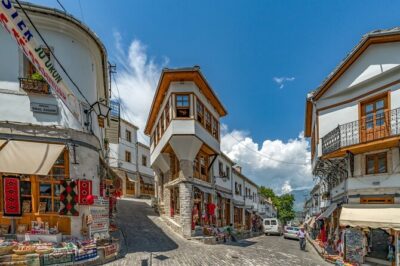
That location makes sense for a cooking lesson. You are already among the stone lanes, old shopfronts, and food stalls of the bazaar, rather than being sent out to an isolated kitchen. The meeting point is near public transportation, and the open doors and restaurant setting should help you find it once you are in the center.
Still, do not rely on the saved map address without checking. One person arrived to find the address on the booking platform was wrong and later learned the class was at Edua restaurant. Another person had to return several hours later because the host did not know about the reservation. Send a message before you go, and bring your booking confirmation on your phone.
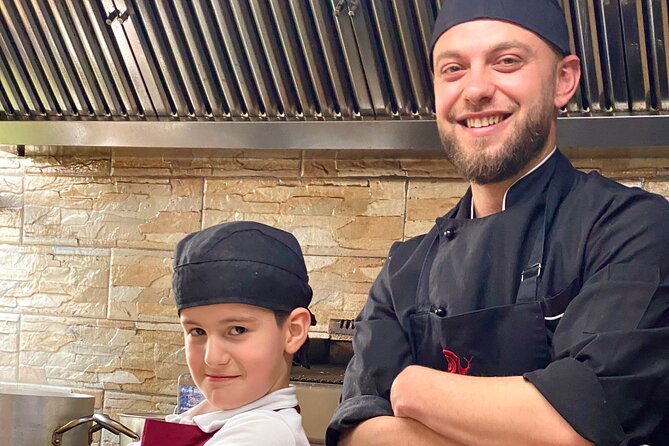
This is a private activity, not a large group demonstration. That matters in a kitchen. You can ask for a step to be repeated, watch closely, and take part rather than standing at the back of a room. The class is offered in English, though the main chef may communicate through a family member who translates.
More Cooking Classes in Albania:
- Cooking Classes and Traditional food tasting in Tirana
★ 5.0 · 282 reviews - Traditional Albanian Cooking Class in Tirana with Raki Tasting
★ 5.0 · 125 reviews - Berat Cooking Class- Traditional Albanian Cooking Class /By Vato
★ 5.0 · 120 reviews
Qifqi: Gjirokaster’s Riceball Specialty
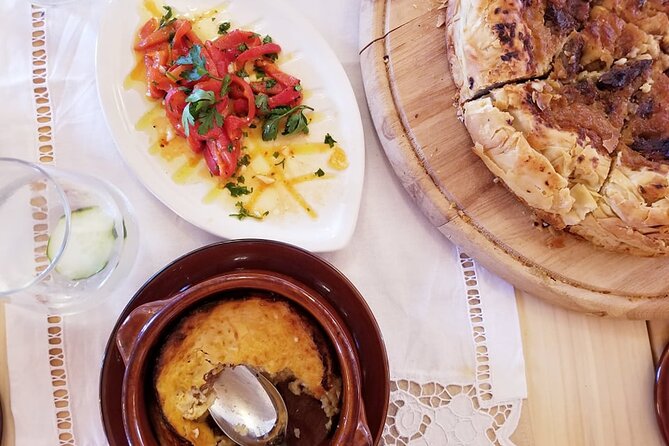
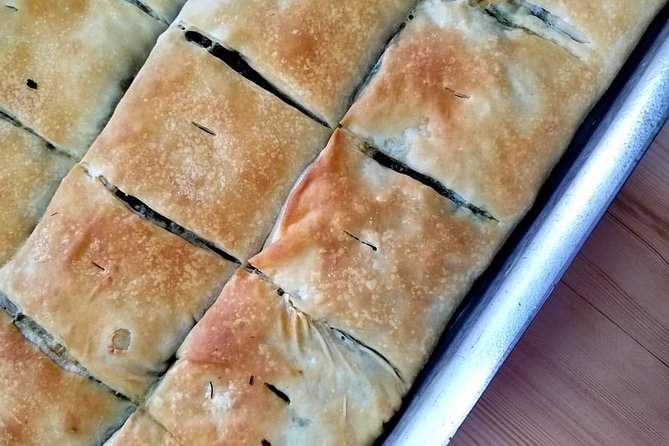
The first planned dish is qifqi, a local riceball specialty. It is one of the foods most closely tied to Gjirokaster, and making it gives the class a clear local focus from the start.
You are not simply shown a finished plate. The purpose is to learn the method and handle the preparation yourself. The recipe is described as part of the area’s older food traditions, passed through family cooking rather than copied from a standard restaurant menu.
Qifqi also makes a good class dish because it is practical. The techniques are not presented as difficult, and the finished food is something you can try again at home. You receive written recipes, which is useful since a short lesson can move quickly and spoken instructions may be translated.
The class includes traditional appetizers while you work. That gives you something to taste between cooking steps and adds a little context to the meal instead of making the session feel like a bare kitchen tutorial.
Making OSA Pasta With Lamb
The listed main course is traditional OSA pasta with lamb meat. You also work with artisanal pasta, so this part of the class has more texture and process than simply assembling a prepared dish.
The recipe is a strong reason to book this experience if you want food tied to Gjirokaster rather than a generic Albanian cooking lesson. You learn how the pasta and meat come together, then eat the result at the end. One person specifically found the OSA preparation interesting and well taught.
The class is intended to cover two old local recipes plus dessert, but the exact pace can vary. One person completed only the OSA pasta and was told the session had ended. That may have been a scheduling or communication problem, but you should confirm the full menu when you arrive.
If the cooking begins late or the host seems uncertain about your booking, ask directly whether qifqi and hasude are included. Clear communication at the start can prevent disappointment later.
Hasude Brings the Class to a Sweet Finish
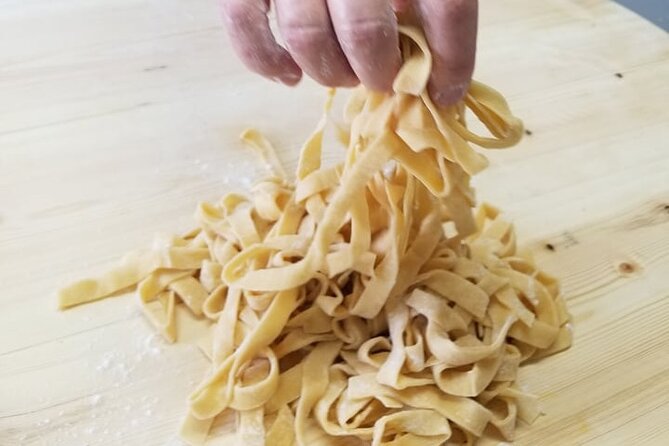
Dessert is hasude, made with starch, butter, and walnuts. It is a simple traditional sweet rather than a complicated pastry project, which suits a short class.
This final dish gives you a useful contrast with the savory food. You move from riceballs and lamb pasta to a dessert built from a few basic ingredients. It also shows how local cooking can depend on pantry staples, family technique, and balance rather than expensive equipment.
The stated menu is:
- Starter: qifqi riceballs
- Main: OSA traditional pasta with lamb meat
- Dessert: hasude with starch, butter, and walnuts
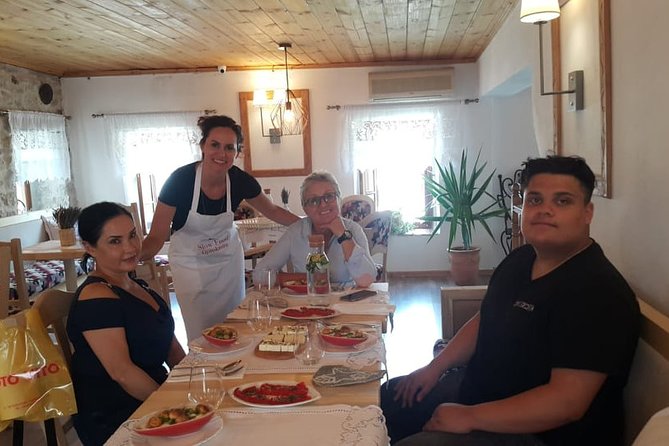
The meal you eat afterward is part of the appeal. You do not leave with only a recipe card and a quick taste. You sit down with the food you helped prepare, along with traditional appetizers and various drinks.
More Workshops in Albania
- Savor Albanian Cuisine Cooking Class with Mama Nina Berat Castle
★ 5.0 · 55 reviews - Cooking Class in Berat Slow Food Community
★ 5.0 · 34 reviews - Paint and Wine – Authentic Art Workshop in Tirana
★ 4.5 · 27 reviews - Cooking Class & Traditional Albanian Dinner
★ 5.0 · 15 reviews
Mountain Spices, Tea, and Family Tradition
The class adds a small food lesson beyond the three dishes. You become familiar with spices and teas from the surrounding mountains, including how they are used and their traditional benefits.
The emphasis here is on local custom. The hosts present a secret ingredient inherited through generations of family cooking, so the class has a personal quality that a standard cooking studio may not offer. Expect stories about tradition, folklore, and daily food culture woven into the preparation.
Communication may be part of the charm, but it can also require patience. The chef does not necessarily speak English, and a family member may translate. One person described the chef as warm and welcoming but relied mostly on demonstrations and translated guidance. If you are comfortable watching, copying, and asking simple questions, this should not stop you. If you need detailed explanations of every technique, confirm the language arrangement first.
A Private Class With a Flexible Pace
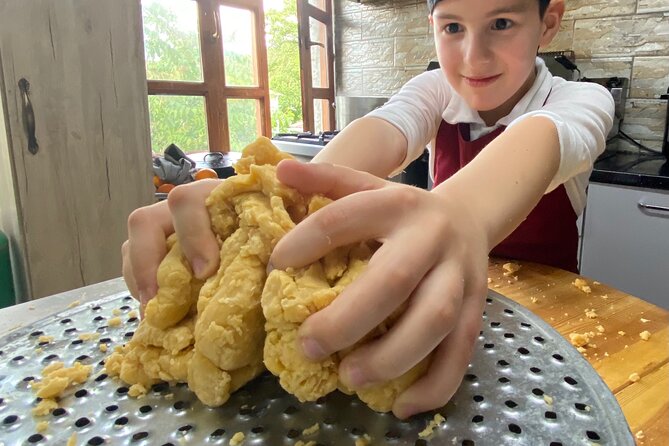
The private format is one of the strongest features. Only your group participates, so the activity can feel more like being welcomed into a family kitchen than attending a formal food workshop.
You get personalized attention, but the lesson may not follow a precise classroom script. One person said the instructions were largely learn by watching and following, partly because the cooking was exciting and moved quickly. That can be fun, though it means you should speak up if you want to perform each step yourself.
The advertised duration is about two hours. Some sessions have been closer to one hour, while other arrangements involved waiting and returning later. Plan this as a flexible activity, not as a fixed appointment that ends exactly 120 minutes after it begins.
That flexibility is less of an issue if you have a free afternoon in Gjirokaster. It is more serious if you have a bus, a museum booking, or a tight day trip schedule. Build in extra time and confirm the start before setting off.
Is $54.19 a Fair Price?
At $54.19 per person, this is not the cheapest way to eat in Gjirokaster. Local restaurant prices are generally lower than the cost of a private cooking lesson, and one person felt the price was high when compared with ordinary Albanian meals.
You are paying for more than the food. The fee covers private instruction, participation in the preparation, cultural explanation, the meal, and written recipes to take home. If the full qifqi, OSA, and hasude menu is delivered, the price makes more sense for someone who values a personal food experience rather than simply looking for lunch.
The value drops if the session ends after one dish or if drinks that you thought were included cost extra. A German-speaking participant was asked to pay separately for a glass of wine and beer despite understanding that drinks were included at booking. Ask what the price covers before you begin.
For a couple, family, or small group, the private setup can be worthwhile because you are not sharing the kitchen with strangers. For a solo diner mainly interested in eating local food, a restaurant meal and market visit will cost less.
What Can Go Wrong, and How to Prevent It
The weak point is not the cooking itself. It is coordination.
Before the class, contact Edua.gjirokaster through the available messaging channel and confirm three things:
- The exact restaurant and entrance
- The start time
- The dishes and drinks included
Bring proof of payment. At least one person was asked to pay again because the host had no record of the prepaid reservation. Showing the bank or booking confirmation resolved the awkward moment.
If the host asks you to return later, decide whether that works for your plans. One person returned four hours later and had a good class, but that solution only works if you have spare time.
The experience has free cancellation up to 24 hours before the scheduled start. Changes or cancellations inside that 24-hour window are not accepted for a refund, and the cut-off uses local time. That policy is reasonable, but it makes early confirmation even more important.
Service animals are allowed, and the meeting point is near public transportation. No other accessibility details are provided, so contact the provider if you need specific assistance.
Who Will Enjoy This Most?
I would choose this class if you want food to be the center of your time in Gjirokaster. It suits you especially well if you enjoy learning by watching and doing, like meeting a family-run host, and have enough space in your schedule for a little uncertainty.
It is also a good choice for families and private groups. The recipes are described as manageable, and the hands-on format gives children or first-time cooks something clear to do. You take home the written recipes, so the experience can continue after Albania.
You may want another option if you need a polished cooking school with exact timing, formal English instruction, or guaranteed drinks. The class is informal, and the chef’s limited English can make the lesson less detailed than some people expect.
The best approach is to arrive curious and prepared. Ask to make all three dishes, confirm the meal and drinks, and allow more time than the two-hour estimate suggests.
Should You Book the Gjirokaster Cooking Class?
Book it if you want an intimate taste of local life, not just a plate of Albanian food. The qifqi, OSA pasta, and hasude menu gives you several recipes to learn, and the private setting lets you take part at every stage.
I would not book it back-to-back with a bus or another timed tour. The address and reservation communication have caused problems, and the actual lesson may be shorter or less complete than expected.
With a message to the host, a screenshot of your payment, and a flexible afternoon, this can be a warm and memorable addition to Gjirokaster. Without those precautions, the cooking may still be enjoyable, but the logistics can sour an otherwise personal experience.
FAQ
Where does the cooking class begin?
It begins at Edua restaurant on Rruga Gjin Shpata in Gjirokastër, Albania, in the medieval bazaar. The activity ends back at the meeting point.
How long does the class last?
The listed duration is approximately two hours. Some sessions have taken closer to one hour, so you should allow flexibility.
What dishes are included?
The planned menu includes qifqi riceballs as a starter, traditional OSA pasta with lamb as the main course, and hasude dessert made with starch, butter, and walnuts.
Do I eat the food I prepare?
Yes. The experience includes eating the meal you cook at the end of the class.
Is the class private?
Yes. Only your group participates in the private activity.
Is the class offered in English?
Yes, the experience is offered in English. The chef may not speak English directly, and a family member may translate.
Are drinks included?
Traditional appetizers and various drinks are described as part of the experience, but one participant was charged separately for wine and beer. Confirm the drink details before cooking begins.
Do I receive the recipes?
Yes. You receive written recipes and can take home what you cooked.
Is the meeting point near public transportation?
Yes. The meeting point is listed as being near public transportation.
Can I cancel for a full refund?
You can cancel for a full refund if you do so at least 24 hours before the experience start time. Cancellations or changes made less than 24 hours ahead are not accepted for a refund.
Just added around Albania
- Apollonia and Berat UNESCO tour from Tirana★ 5.0 · 3 reviews
- UNESCO heritage in Albania – 4 days★ 5.0 · 3 reviews
- Private Transfers from Tirana International Airport to Sarandë★ 4.5 · 3 reviews
- Transfers Tirana Airport – Sarande – Ksamil – Airport Tirana★ 4.5 · 3 reviews
- Berat 4×4 Off-Road and Vineyard Wine Tasting★ 5.0 · 3 reviews
- N. Macedonia &Kosovo; Semi – Private Tour; Tour Leader & Car★ 4.8 · 3 reviews
- Cultural Tour in Tirana including House of Leaves★ 5.0 · 3 reviews
- SOTIRA WATERFALL HIKING/TREKKING from Berat by 1001 Albanian Adventures★ 5.0 · 3 reviews
Gjirokastër Tours, compared.
Walking Tour Baazar – The Argjiro Castle – Zekate house
Read our review →
Walking Tour “The Old Bazaar, Cfake, Dunavat, Ali Pasha Bridge”
Read our review →
Gjirokaster walking Tour The Old Baazar, Cfake, Dunavat, Ali Pasha Bridge
Read our review →Browse the lists this tour appears in