
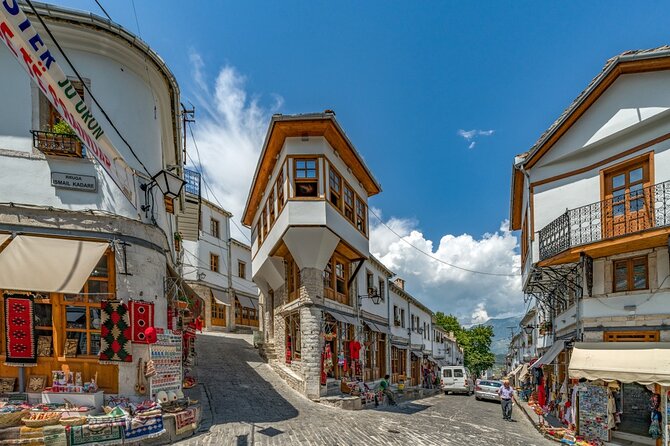
Reviewed · GJIROKASTËR TOURS
Gjirokaster walking Tour The Old Baazar, Cfake, Dunavat, Ali Pasha Bridge
Gjirokaster’s best surprises begin where the castle crowds thin out. This three-hour walk leads from Çerçiz Topulli Square through the Old Bazaar, Cfake, and Dunavat, then out toward the old Ali Pasha Bridge. You get a look at the city’s weathered houses, steep cobblestones, religious traditions, and rural edge in one outing.
I like the route for two clear reasons: it shows you neighborhoods most day visitors skip, and it gives the town a human voice through a local guide. Guide Besi has been singled out for his warmth, humor, culture, and love of Gjirokaster’s past. The main drawback is the walking itself, with uneven cobbles and hillside paths, plus a required minimum of two people.
Key points to know before you book
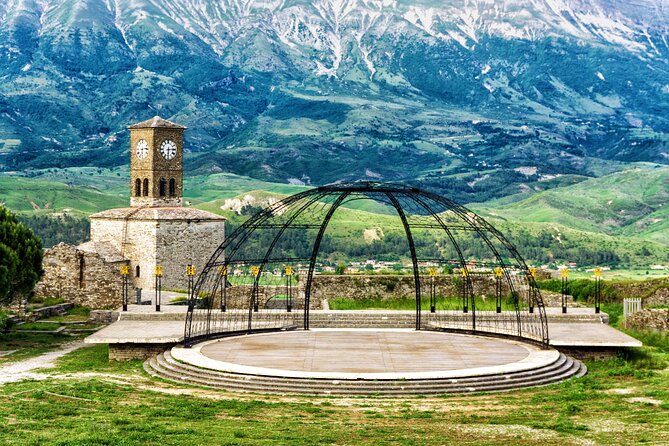
- Three hours beyond the castle circuit: The route focuses on older neighborhoods and the countryside around Gjirokaster rather than the main fortress interior.
- A local guide gives the walk its meaning: Besi has been praised for clear historical explanations, warmth, flexibility, and a strong connection to his hometown.
- The Old Bazaar is a neighborhood, not a shopping stop: Expect old stone streets and houses, not a modern market packed with stalls.
- The route reaches Ali Pasha Bridge: This gives the outing a clear destination beyond the town center and castle walls.
- A small group keeps the walk personal: The maximum group size is 15 people, though the tour requires at least two participants.
- Budget-friendly pricing: At $18.08 per person, the tour costs little more than a casual meal, while adding local context you would not get from walking alone.
Starting at Çerçiz Topulli Square
You meet at Çerçiz Topulli Square, in the center of Gjirokaster’s old town. This is a practical starting point because it puts you close to the main historic streets and the approach to the Old Bazaar.
The walk begins in the part of town most people use as a gateway to the castle. Instead of heading straight uphill to the fortress, you move along the neighborhoods beneath its walls. That change of direction is the heart of the experience.
I like this opening because it helps you see Gjirokaster as a lived-in town, not just a collection of monuments. The castle naturally grabs attention, but the houses, lanes, bridges, and religious buildings below it explain how the city works on an everyday level.
The guide is important here. A local voice can point out why a house matters, how the neighborhoods fit together, and which details are easy to miss when you are walking by yourself. Besi, named in the feedback about this experience, has been praised for being pleasant, entertaining, flexible, and well versed in the town’s past.
The meeting point is near public transportation, and confirmation is provided at booking. The activity returns to the same general meeting point at the end, so you do not need to arrange a separate ride back from the bridge.
More Walking Tours in Albania:
- Walking Tour of Tirana
★ 5.0 · 646 reviews - Local food experience & walking tour of Tirana
★ 5.0 · 192 reviews - Berat Walking Tour
★ 5.0 · 86 reviews
The Old Bazaar beneath the castle walls
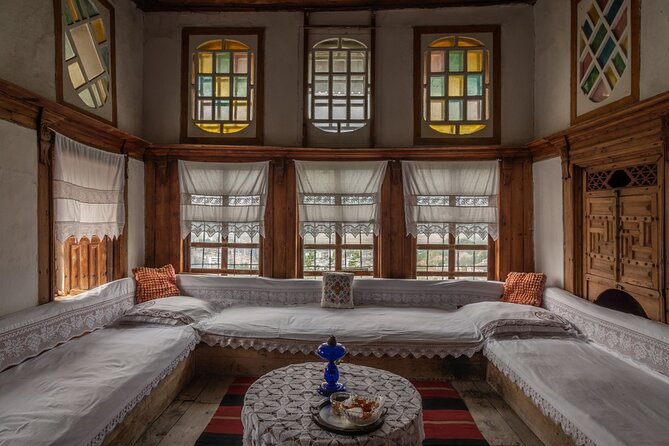
The first part takes you into the Old Bazaar, described as the first neighborhood outside the castle walls. The name can mislead you. This is not mainly a bazaar in the modern shopping sense, and you should not book the walk expecting a long series of market stalls.
Instead, look for the character of the street itself. Cobblestones, old houses, and the close presence of the castle give this part of the walk its feel. The route shows how Gjirokaster grew outward from its fortress, with homes and lanes arranged below the defensive walls.
The supplied schedule gives the Old Bazaar stop 15 minutes, though the full experience lasts about three hours. That short listed stop should not be read as the total time spent in the neighborhood. The walk continues through connected historic areas, and the guide’s explanations are likely to shape how long each point receives attention.
This is also where good footwear matters. Gjirokaster is known for steep, uneven stone streets, and the route specifically includes characteristic cobblestones. I would wear shoes with a firm sole and avoid anything that turns a downhill walk into a balancing act.
The reward is a closer look at old Gjirokaster without treating the town as a museum set. The houses are part of the setting, but they are also the main story. Their age, placement, and relation to the castle help explain why the city feels so distinct.
Crossing Zerzebili Bridge into Cfake
After the Old Bazaar, the route passes over Zerzebili Bridge and enters Cfake, another old neighborhood of Gjirokaster. This crossing marks a useful change in the walk. You move farther from the central streets and into an area where the historic setting feels less arranged for sightseeing.
Cfake includes old houses classified as first-category monuments. That designation gives the guide a strong basis for explaining their architectural and cultural importance. You can expect the focus to shift from general street atmosphere to specific buildings and the reasons they have been preserved.
The value of this section comes from scale. Instead of seeing only one famous site, you get a series of homes and lanes that show how historic Gjirokaster was built. The experience is strongest if you pay attention to small changes in the stonework, street width, and position of the houses on the slope.
A guide who grew up in or knows the city well can make this part much more useful than a solitary walk. One piece of feedback describes the guide as someone who explained the town’s history very well and clearly liked the subject. That enthusiasm matters because old buildings can blur together when you do not know what to look for.
The route is not presented as a fast march from one famous attraction to another. It is a guided walk through an older district, with time for context. If you want a polished sightseeing loop with many formal admissions, this may feel too informal. If you want to understand how the town extends beyond its headline sights, Cfake is one of the strongest parts.
The Bektashi tekke and Gjirokaster’s layered identity
In Cfake, the walk also passes a tekke connected with the Bektashi Order. This adds a religious and cultural layer to the route. The stop is not simply another old building. It gives you a chance to learn about a Bektashi presence within the wider story of Gjirokaster.
The information provided does not promise entry into the tekke, so you should expect to see and discuss it rather than assume an interior visit. That distinction is worth keeping in mind when comparing this activity with tours built around museum admissions.
I like the inclusion of the tekke because it keeps the route from becoming only an architectural walk. Old stone houses tell one part of Gjirokaster’s story. Religious places show how communities shaped the town, its customs, and its neighborhoods.
This is also a point where the guide’s personal connection can add real value. The experience has been praised for turning a walk into a close look at Albanian history, culture, and local life. The strongest moments will likely come through explanation and conversation, not through a long list of formal exhibits.
Because the tour lasts about three hours, you have room for this kind of context. You are not being rushed through a short photo stop. Still, the exact depth will depend on the guide and the pace of the group, so you should see the walk as an interpretive neighborhood tour rather than a fixed lecture.
A few more Albania half-days to weigh up
- Walking Tour Baazar – The Argjiro Castle – Zekate house
★ 4.5 · 18 reviews - Cooking Class
★ 4.5 · 12 reviews - Vegetarian Cooking Class @Teta Marjeta
★ 5.0 · 11 reviews - Walking Tour “The Old Bazaar, Cfake, Dunavat, Ali Pasha Bridge”
★ 5.0 · 10 reviews
Dunavat, hills, and the road to Ali Pasha Bridge
From Cfake, the route continues toward Dunavat and the Ali Pasha Bridge. This is where the setting opens up. The description points to hills, old houses, nature, and sheep grazing above the town, giving the final stretch a rural character.
That change is one of the tour’s best features. You begin in the old town center, pass beneath the castle, cross into historic neighborhoods, and finish beyond the dense streets. The route connects built heritage with the countryside around Gjirokaster.
The bridge is the final destination and gives the walk a satisfying goal. Ali Pasha Bridge is not just a stop selected for a quick photograph. Its position helps you see the relationship between the town and the surrounding hills, while the walk itself shows how far the historic neighborhoods extend.
The description does not state the bridge’s construction date, the exact trail surface, or how much time you spend there. I would not book this expecting a detailed engineering tour or a formal monument visit. Book it for the combination of scenery, old structures, and the sense of reaching the edge of town on foot.
This last section may also be the most demanding. You should be ready for a walk that includes cobblestones and hilly ground. The activity says most people can participate, but it does not promise a flat or fully accessible route. Anyone concerned about stamina or balance should ask the provider for current route details before booking.
Why the guide matters more than the route map
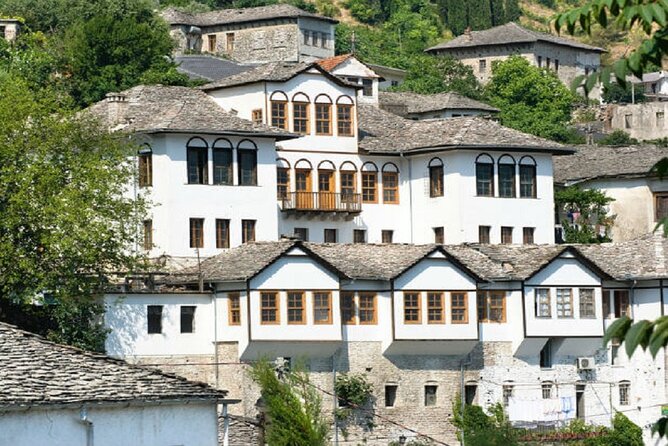
On paper, the route is appealing. In practice, the guide determines how much you take from it. The neighborhoods are interesting, but their meaning is not always obvious from the street. A local guide can connect a bridge, house, tekke, and hillside to the larger story of Gjirokaster.
The strongest praise has focused on the guide’s character and teaching. Besi has been described as warm, curious, passionate, cultured, and able to make the walk feel personal. Another assessment highlights clear explanations of the town’s history and a visible love for the subject.
Those details help you set fair expectations. This is not presented as a theatrical performance or a highly staged attraction. Its appeal rests on conversation, local perspective, and the guide’s ability to adjust to the group.
The guide is also described as flexible. That can be useful on a three-hour walk, especially if your group has questions or needs a slower rhythm. Keep in mind that flexibility can also mean the precise balance between neighborhoods, buildings, and countryside may vary.
The group limit is 15 people. That is small enough for a more direct exchange than a large coach tour, though the experience may feel different with two people than with a full group. The required minimum is two participants, so solo bookers should confirm that the tour will operate for their date.
What $18.08 buys you
At $18.08 per person, this is a low-cost way to add structure and local explanation to your time in Gjirokaster. The price includes a guide and the walking experience. It does not include anything not specifically listed, so you should not assume meals, transport, entrance fees, or extra services are part of the deal.
There are no listed admission charges for the Old Bazaar stop. The route is mainly outdoors and neighborhood based, which helps keep the price down. You are paying for the person leading you and the knowledge attached to the walk, not for a package of ticketed attractions.
I see the value in booking this early in your Gjirokaster stay. The walk can help you understand the town’s layout and give you ideas for places to revisit on your own. Since the average booking point is 42 days before the activity, dates may be reserved well ahead, especially during busy periods.
The price is less compelling if you only want the castle and central bazaar, or if you dislike walking on old stone streets. You can see parts of the route independently, but you will lose the explanations that turn an attractive lane into a meaningful historic place.
Who should choose this walk
I would choose this tour if you want local neighborhoods rather than only headline sights. It suits people who enjoy history, old architecture, religious culture, and walking through places that are still part of daily life.
It also fits visitors who want a small-group experience without paying for a private tour. The maximum is 15 people, and the guide’s reported flexibility should help keep the outing conversational.
This is a good match for a second day in town, after you have seen the main castle area and want to understand what lies around it. It can also work early in a visit if you prefer to get your bearings through a guided walk.
I would think twice if you need a step-free route, dislike uneven surfaces, or want extensive access to interiors. The provided details confirm old houses, a tekke, bridges, cobblestones, hills, and an outdoor finish, but they do not promise indoor entry or accessibility features.
The experience is also not ideal if you have only a short time in Gjirokaster and want to cover several ticketed attractions. Its strength is depth in a small area, not a checklist of major monuments.
Booking, timing, and practical details
The activity lasts approximately three hours and starts at Çerçiz Topulli Square. It finishes back at the meeting point, which simplifies planning for the rest of your day.
You receive confirmation at the time of booking, and the experience uses a mobile ticket. It is near public transportation, and most people can participate according to the supplied information.
The tour requires at least two participants. If you are booking alone, check that the minimum has been met rather than assuming the walk will run automatically.
Free cancellation is available if you cancel at least 24 hours before the local start time. Cancellations made less than 24 hours ahead are not refunded, and late changes are not accepted.
Bring water and allow room in your schedule for a steady walk. The information does not list a required packing list, but the combination of cobblestones, slopes, and an outdoor route makes sensible walking shoes the practical choice.
Should you book the Gjirokaster walking tour?
I would book it if you have three hours and want to see the side of Gjirokaster that is easy to miss from the castle and central streets. The Old Bazaar, Cfake, Dunavat, Bektashi tekke, and Ali Pasha Bridge create a varied route, while a local guide gives the old houses and bridges a clearer purpose.
The best reason to go is the guide-led perspective, especially if Besi is leading your date. His reported warmth, flexibility, and command of local history are exactly what this kind of neighborhood walk needs.
Skip it if you want a flat stroll, indoor attractions, or a tightly timed tour with guaranteed entry to monuments. For most visitors who enjoy walking and want more than the standard Gjirokaster highlights, $18.08 is a sensible price for three hours of place-based history and hillside views.
FAQ
Where does the tour start?
The tour starts at Çerçiz Topulli Square, Sheshi Çerçiz Topulli, in Gjirokastër, Albania.
Where does the tour end?
The activity ends back at the meeting point.
How long does the walking tour last?
The tour lasts approximately three hours.
What places does the route include?
The route includes the Old Bazaar, Cfake, Dunavat, and Ali Pasha Bridge. It also passes Zerzebili Bridge, old first-category monument houses, and a tekke connected with the Bektashi Order.
What is the maximum group size?
The tour can have a maximum of 15 participants. At least two people are required for the tour to take place.
Can I cancel for a full refund?
Yes. You can receive a full refund by cancelling at least 24 hours before the experience start time. Cancellations made less than 24 hours before the start are not refunded.
Just added around Albania
- Apollonia and Berat UNESCO tour from Tirana★ 5.0 · 3 reviews
- UNESCO heritage in Albania – 4 days★ 5.0 · 3 reviews
- Private Transfers from Tirana International Airport to Sarandë★ 4.5 · 3 reviews
- Transfers Tirana Airport – Sarande – Ksamil – Airport Tirana★ 4.5 · 3 reviews
- Berat 4×4 Off-Road and Vineyard Wine Tasting★ 5.0 · 3 reviews
- N. Macedonia &Kosovo; Semi – Private Tour; Tour Leader & Car★ 4.8 · 3 reviews
- Cultural Tour in Tirana including House of Leaves★ 5.0 · 3 reviews
- SOTIRA WATERFALL HIKING/TREKKING from Berat by 1001 Albanian Adventures★ 5.0 · 3 reviews
Gjirokastër Tours, compared.
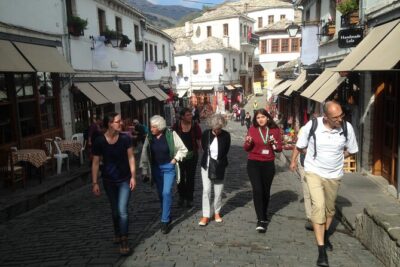
Walking Tour Baazar – The Argjiro Castle – Zekate house
Read our review →
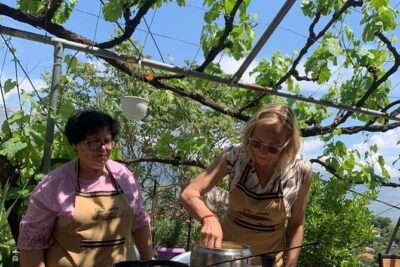
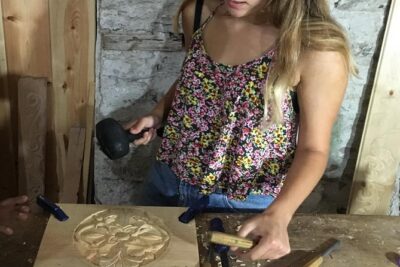
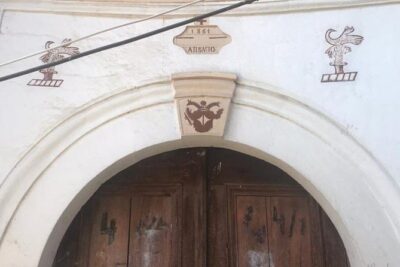
Walking Tour “The Old Bazaar, Cfake, Dunavat, Ali Pasha Bridge”
Read our review →
Browse the lists this tour appears in